Blogs
I write blogs from time to time to introduce some of my new research topics or reflect on past research.
(Opinions expressed are my own.)
Featured
September 2025
Drawing from an analogy in Liu Cixin's The Three-Body Problem, I challenge the current AI race as a dangerous commitment to a single, brute-force path of "scaling." This approach reflects our scientific ignorance, unable to achieve elegant humanlike generalizability, we resort to feeding the machine everything. I advocate that alternatives should be funded and explored with the same vigor, such as task-specific scientific discovery.
January 2025
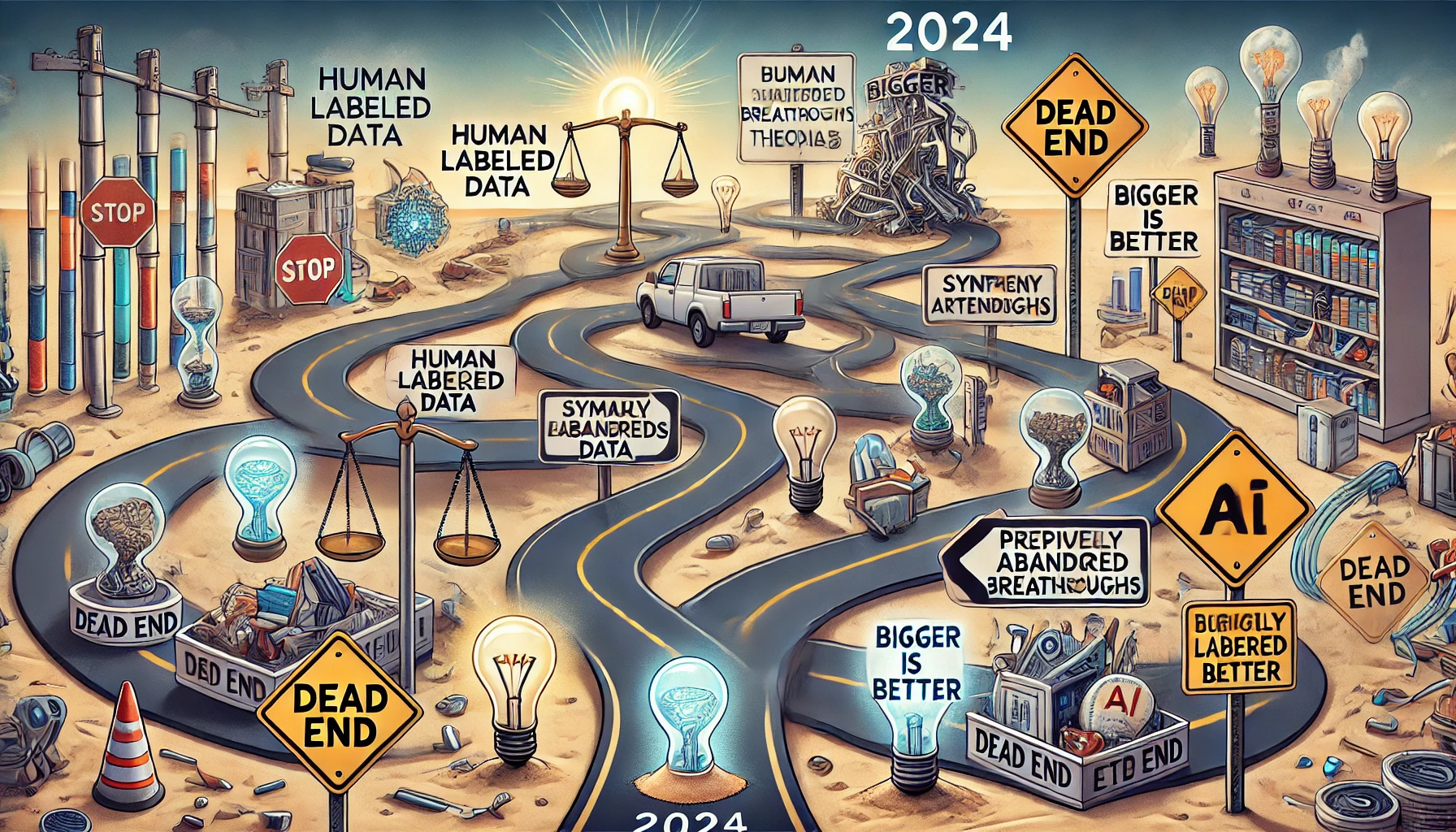
The second entry in my ChatGPT "Twist" Reflection Series. Computing scaling slowed in 2024 while inference-time scaling emerged. The year delivered unexpected plot twists: from rethinking how LLMs handle reasoning and benchmarks to the seamless integration of multimodal I/O, small language models, persona vs. personalization, world models, and AI scientists.
October 2024
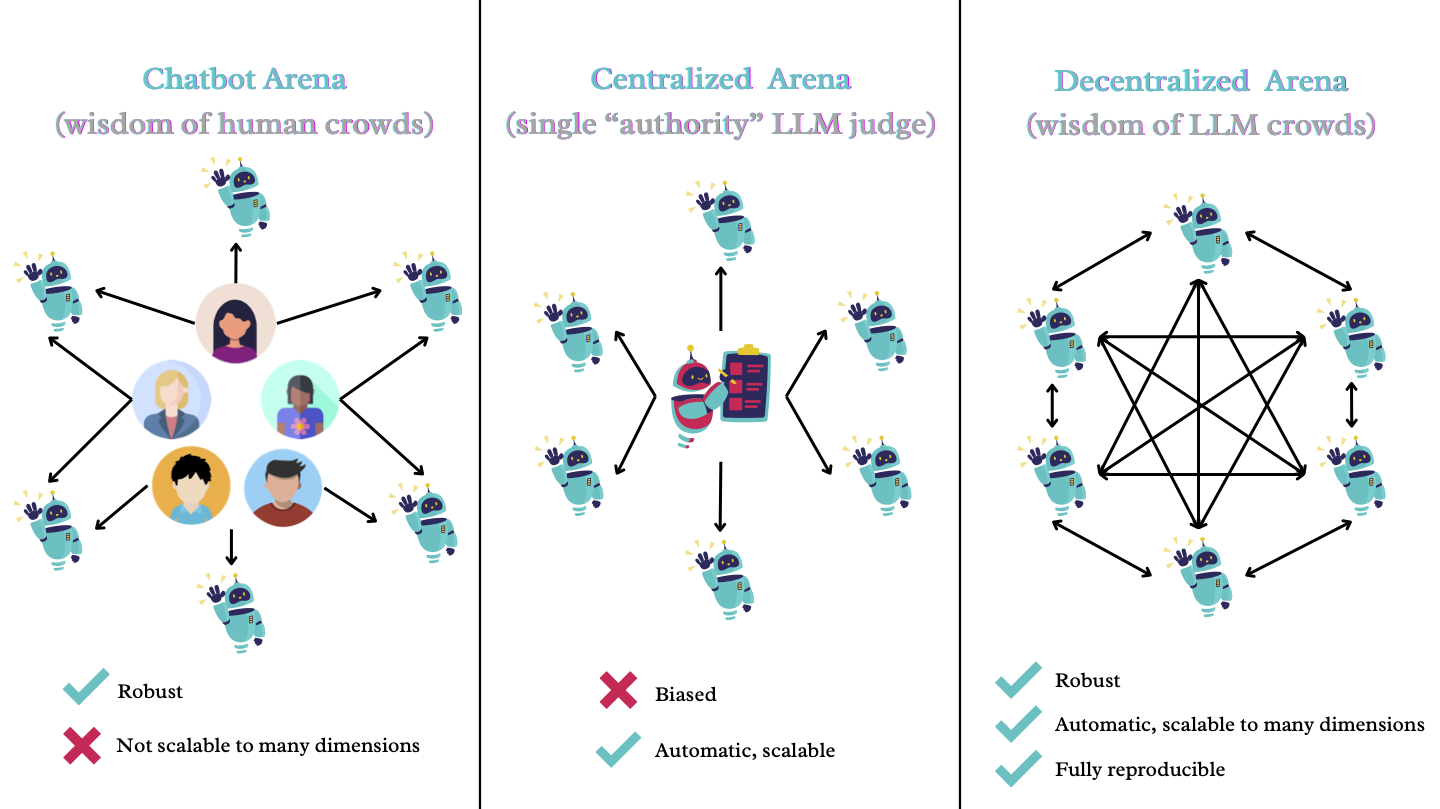
Introducing DeArena, the first scalable, automated LLM evaluation system that expands the "Chatbot Arena" concept across diverse dimensions. By enabling LLMs to evaluate each other, DeArena fosters a transparent, autonomous, and reproducible approach to AI benchmarking, minimizing bias through an efficient sorting-based algorithm. Its potential extends to superintelligence oversight, offering a democratic, collective intelligence-driven alternative.
October 2024
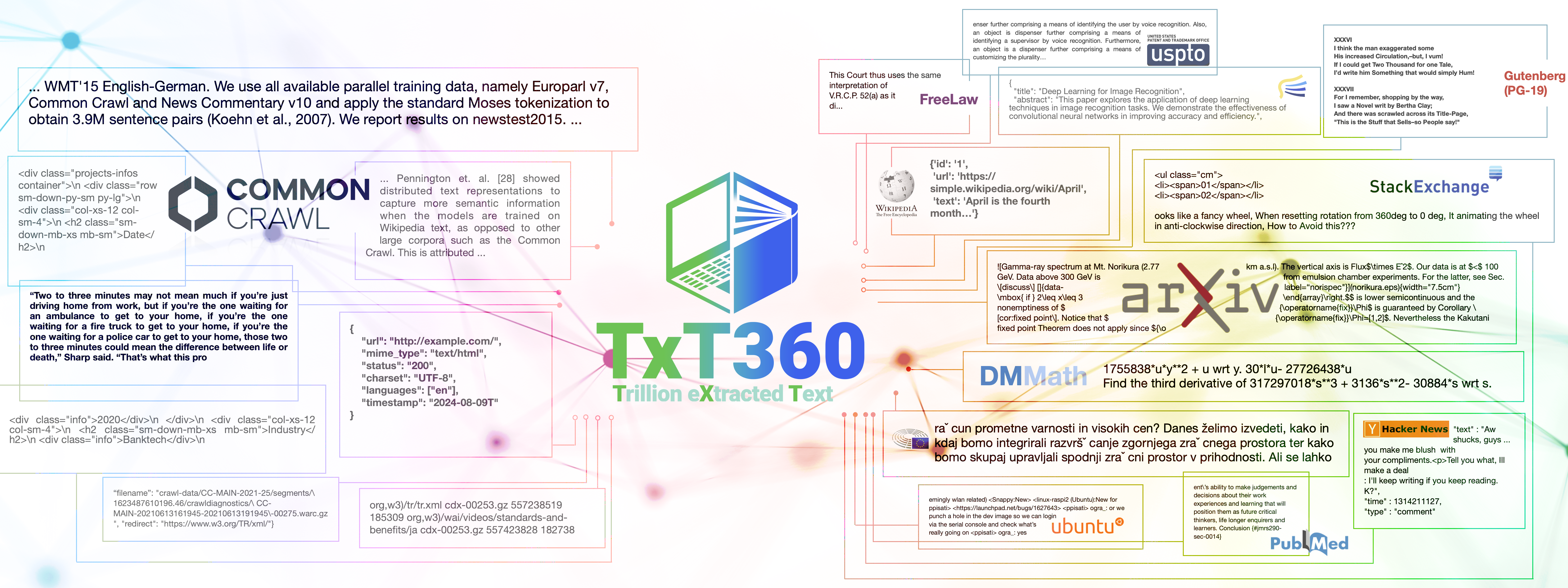
Introducing TxT360 (Trillion eXtracted Text), a large-scale pre-training dataset from LLM360, the first dataset to globally deduplicate 99 CommonCrawl snapshots and 14 high-quality data sources from diverse domains. This blog explains every detail of how TxT360 was produced, offering insights into how data scaling works in balancing noisy web and highly curated data.
January 2024
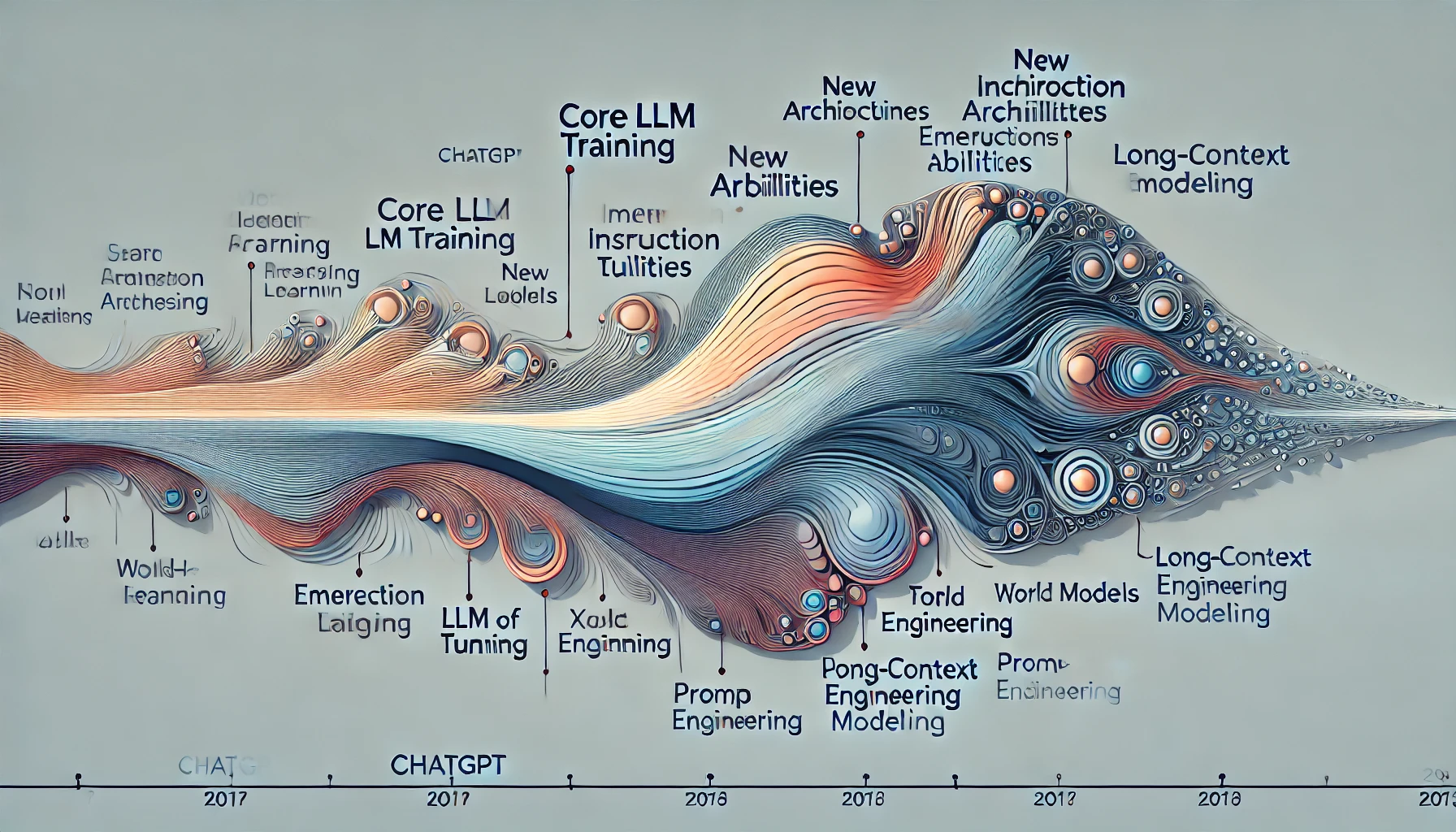
One year after ChatGPT's release, this blog reflects on its impact on LLM research, examining which topics emerged and which became less relevant. I highlight "twisted" directions where academic interest surged or declined unexpectedly, alongside "smooth" directions with consistent attention. Understanding these shifts helps prioritize impactful research areas.